Guide · · 9 min leestijd
Planning a bedrijfsevenement in Tunesië: the complete guide
Tunesië is under three hours from most of Europe, visa-free, with five-star hotels built for groeps and costs below most Middellandse Zee bestemmings. Here is how to plan a bedrijfsevenement there that keeps its promises, step by step.
Why Tunesië for a bedrijfsevenement
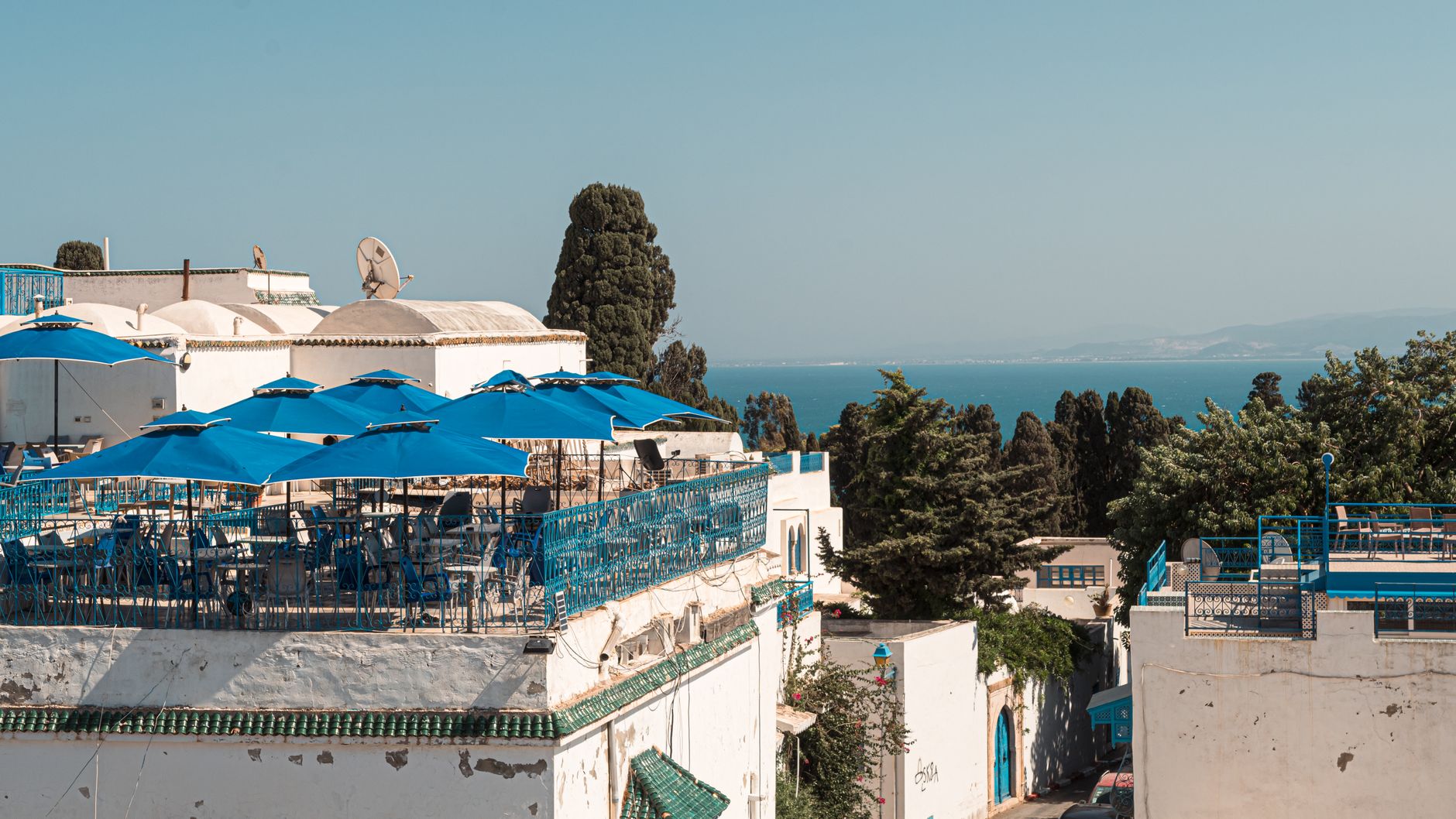
Three reasons come up with our clients. Proximity first: direct vluchten of 2 h 30 from Paris, about 3 h from London, and barely more from Brussels, Geneva, Frankfurt, Milan or Madrid, which allows a three-day format without fatigue. Value next: at equivalent hotel standard, an event in Tunesië costs noticeably less than in Spain, Italy or Portugal, catering and services included. Change of scene finally: the Middellandse Zee, two UNESCO sites fifteen minutes from the capital, and the Sahara an hour’s flight away.
Language matters too. French is spoken everywhere in hospitality and events, and English is widely used in the five-star hotels, which simplifies supplier relations and reassures deelnemers.
Choosing the bestemming
Tunis and its coast (Gammarth, La Marsa, Sidi Bou Saïd) for hotel quality and cultuur, twenty minutes from the airport. Hammamet for residential conferenties of 80 to 300 people, an hour by road, with everything on site. Djerba for direct vluchten, winter sun and 300-person conferenties. Tozeur and the South for woestijn incentives. Sousse and Monastir for large capacity and budget. We detail each on our bestemming pages.
The right format
Three days and two nights is the format that works best: early-afternoon arrival and opening evening, a full working day with an activity in the late afternoon, a wrap-up morning and return flight. Two days and one night suits kick-offs and boards. Beyond three days you are in incentive territory, and the woestijn becomes accessible.
Choosing the hotel
Look for three things: a daylight plenary sized for your groep, breakouts immediately adjacent and a team used to companies. Our recommended conferentie hotels meet these criteria, from the Mövenpick Gammarth for boards to the Hasdrubal Hammamet for conferenties.
The calendar
The best periods are April to June and mid-September to November. Djerba works year-round; the South from October to April. Book eight to twelve weeks ahead for a meeting of 50 to 150 people, four to six months for a conferentie. Watch out for European bank holidays and school breaks, when vluchten fill up.
The budget
The programme and services are tailored to your dates, group and practical requirements.budgeting a bedrijfsevenement in Tunesië.
Entry requirements and practicalities
No visa for EU, Swiss and UK citizens for up to 90 days, with a valid passport. The currency is the Tunesiën dinar, non-convertible: deelnemers exchange on arrival, and bank cards are accepted in hotels. Tunesië is on Central European Time in winter (GMT+1) and does not change clocks in summer. Mobile coverage is good, hotel wifi fair to good.
Mistakes to avoid
Underestimating transfers between two bestemmings (Tunis–Hammamet is an hour; Djerba–Tozeur, five). Scheduling outdoor activities in the middle of a July afternoon. Neglecting the staging of the plenary, which accounts for half a conferentie’s impact. And working without a local partner: a DMC contracts in dinars, knows the suppliers and is on site on the day. That is precisely our role.
Move from method to choices with our corporate retreat approach, a destination comparison and a three-day Tunis programme.
As you plan the event, also read Desert dinner in Tunisia: what an incentive trip must plan for another aspect of the decision.